

Snow with a sense of responsibility
Snowmaking in the Montafon
For decades, the Montafon has been one of Vorarlberg’s leading winter sports regions. To offer winter sports enthusiasts reliable conditions and ensure the economic stability of the tourism destination, the region’s ski resorts rely on modern and sustainable snowmaking technologies. The focus is not only on ensuring ski operations but also on the responsible use of resources and respect for the sensitive natural environment.

Why do we actually use artificial snow?
In Montafon, we generally enjoy excellent snow reliability thanks to our high altitude. Artificial snowmaking is therefore not a necessity to compensate for a lack of natural snow, but is used strategically to ensure a successful winter season.
The benefits at a glance:
- Seasonal reliability: Continuous operation from Christmas through Easter.
- Booking security: Reliable slope conditions for hotels, mountain railways, and guests.
- Efficient slope preparation: Modern systems ensure high-quality slopes, especially during peak times.
- Optimal snow cover: Aconsistent skiing experience and well-groomed slopes thanks to targeted snowmaking.
In conversation with Manuel Stross, operations manager of the Gargellner Bergbahnen.
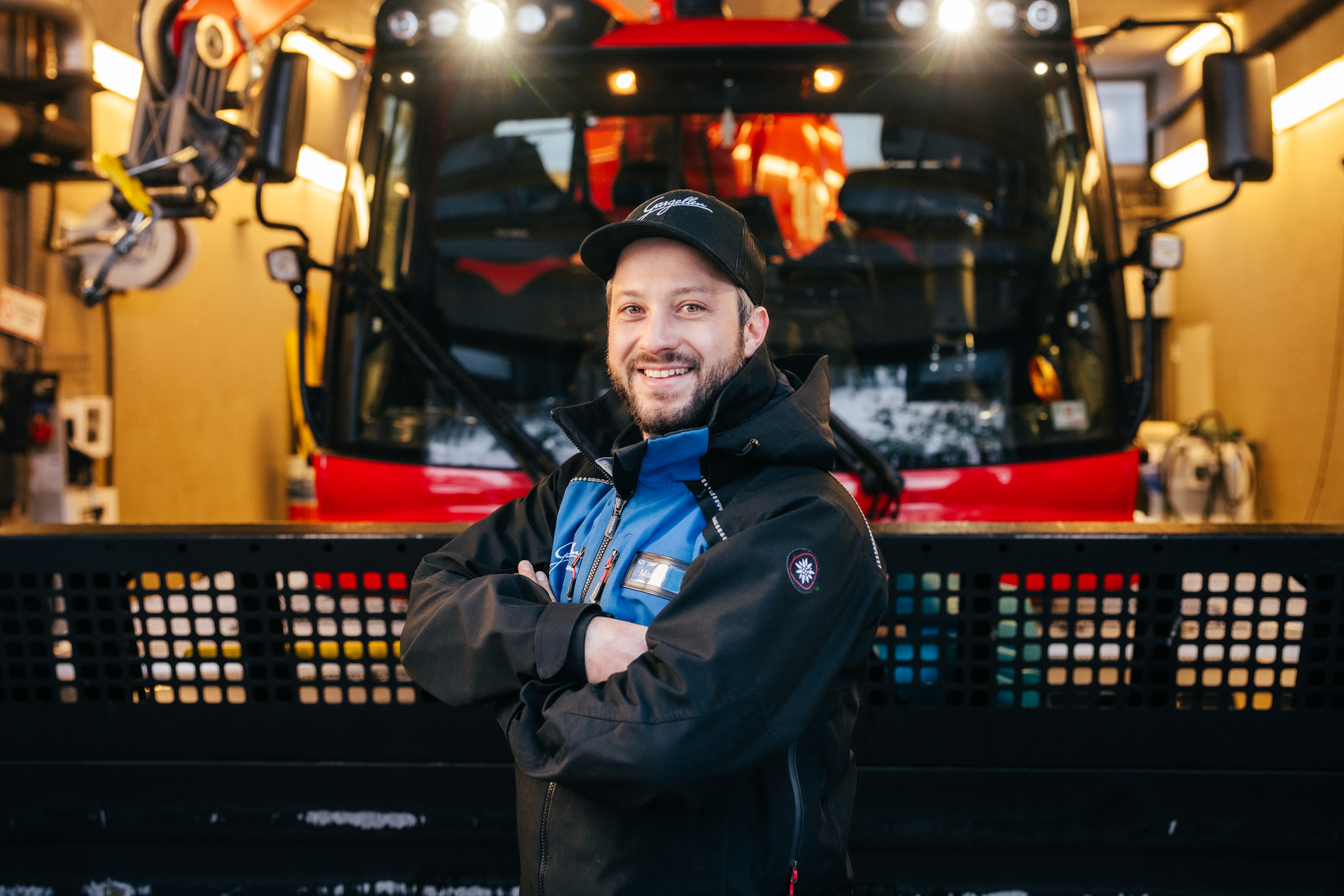
In a conversation with Manuel Stross, operations manager of Gargellner Bergbahnen, we explore the facts surrounding snowmaking, challenge common misconceptions, and highlight innovative approaches that the Montafon region uses to ensure efficient and resource-friendly snow conditions.
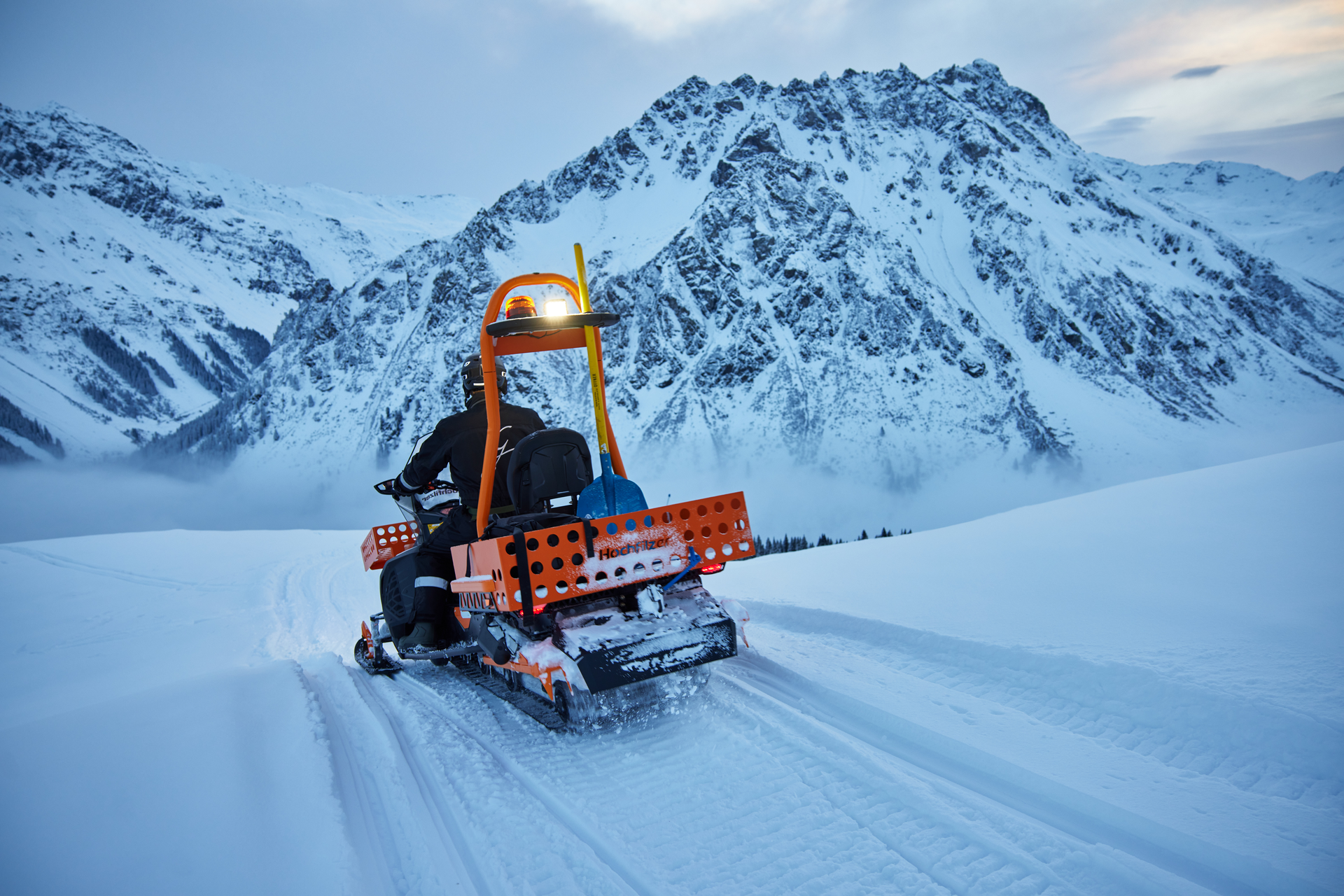
What factors should be considered when making snow?
The most important criterion in snow production is quality. It always comes down to this: How does the slope feel to the skier? Is the snow icy, wet, or dry? In Gargellen, we have consistently relied on dry snow for over 20 years. This has the major advantage of remaining stable even after rainfall because it develops a kind of suction effect. If, on the other hand, wet snow is produced from the start, ice patches quickly form, especially on the valley runs. With our dry snow, we can guarantee that you can often still ski down to the valley here as late as April—and it even kicks up powder while you’re skiing.
When discussing snowmaking, the term “artificial snow” often comes up—what is the correct term?
We actually struggle most with the term “artificial snow.” We prefer to speak of technical or machine-made snow. Because “artificial snow” sounds like something artificial, like additives. But that is not the case here at all. In Central Europe, snow is produced exclusively with cold water, cold air, and pressure. That’s all it takes. The American Snowmax additives, from which the term originally derives, play no role whatsoever here in Austria. Of course, the necessary infrastructure is required—pipes, electricity, snow guns—but at its core, it’s simply water, air, and cold. And, as I always like to say, the real art lies in turning that into good technical snow.
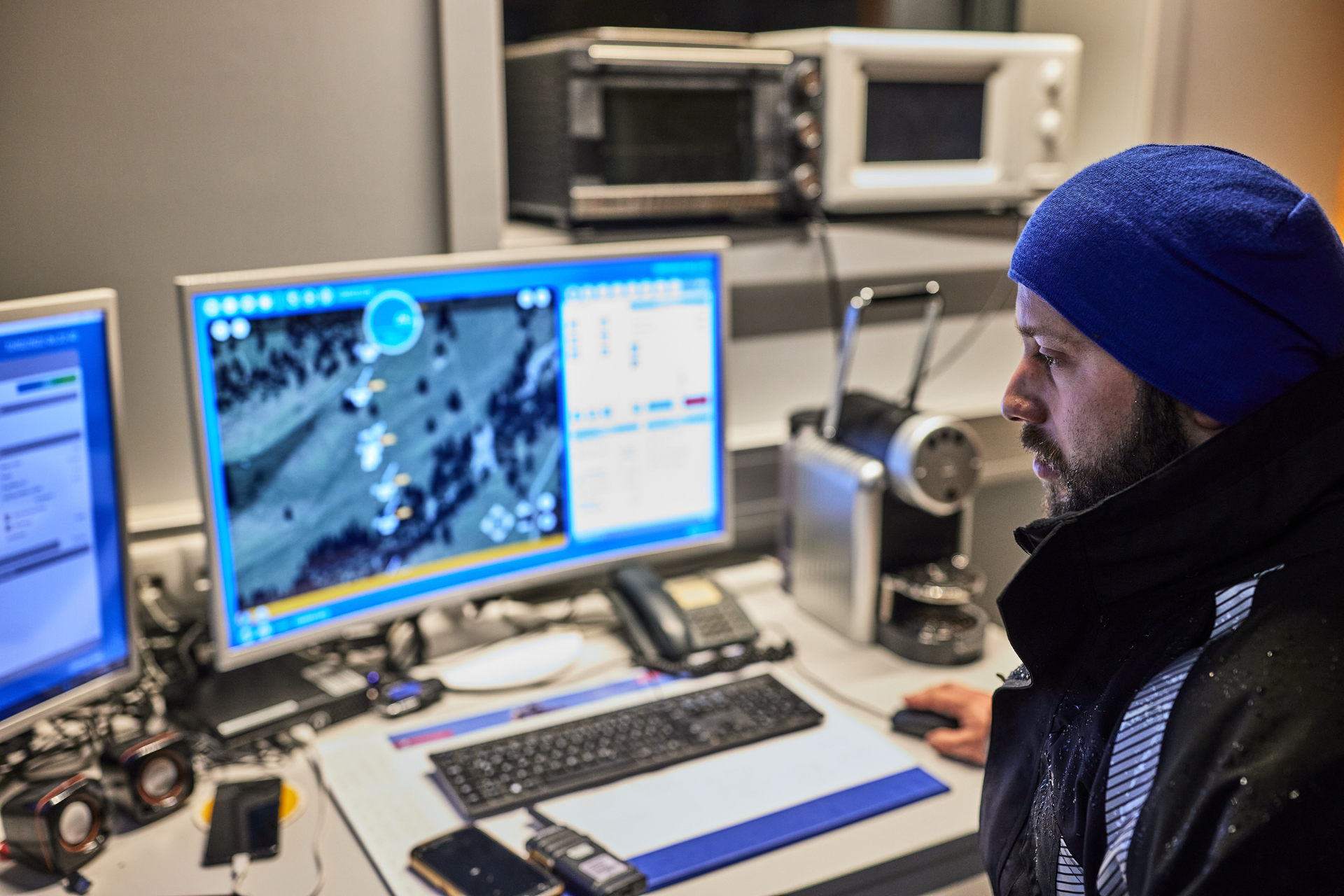
That sounds like a real science. You could even say you’re a true winter architect?
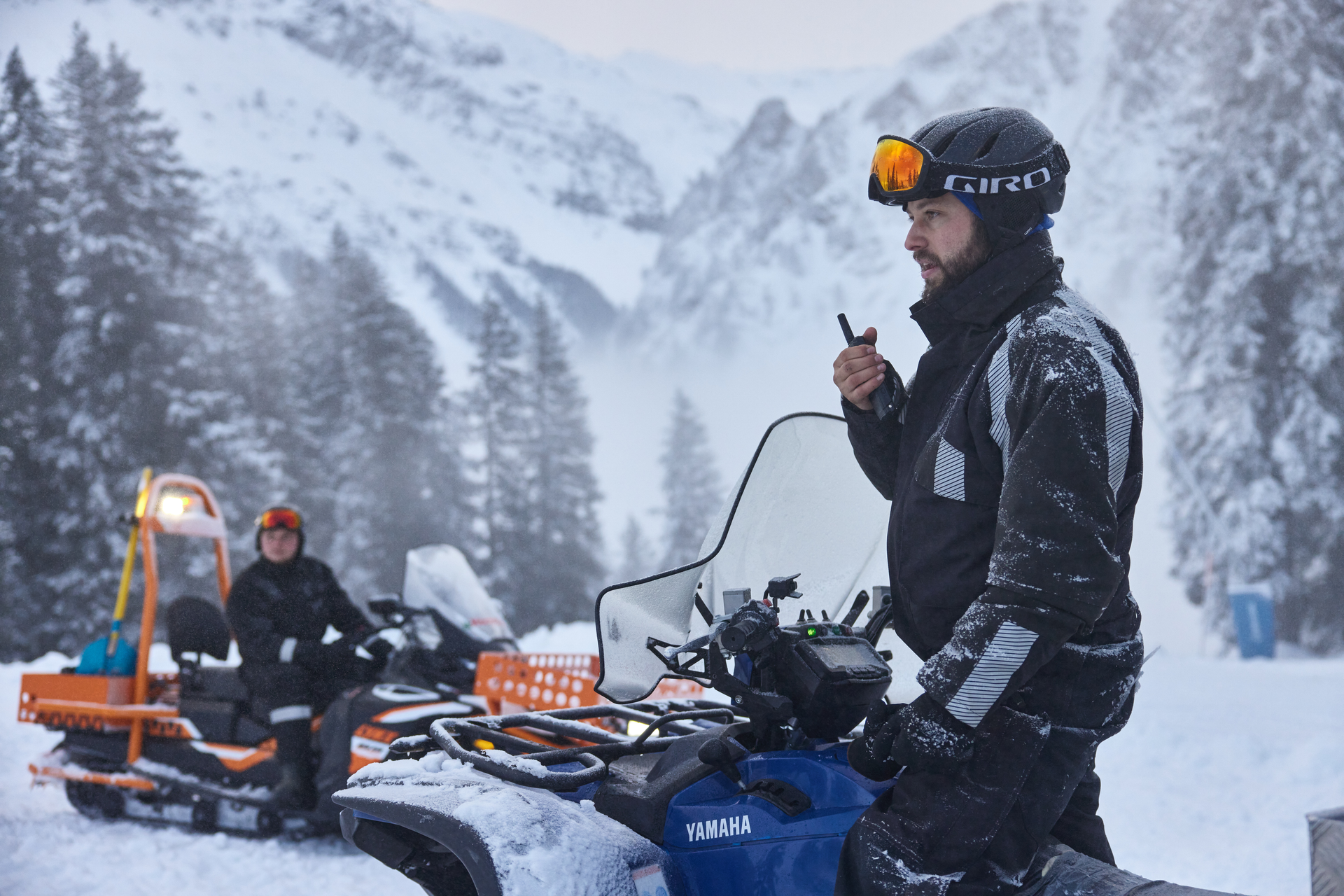
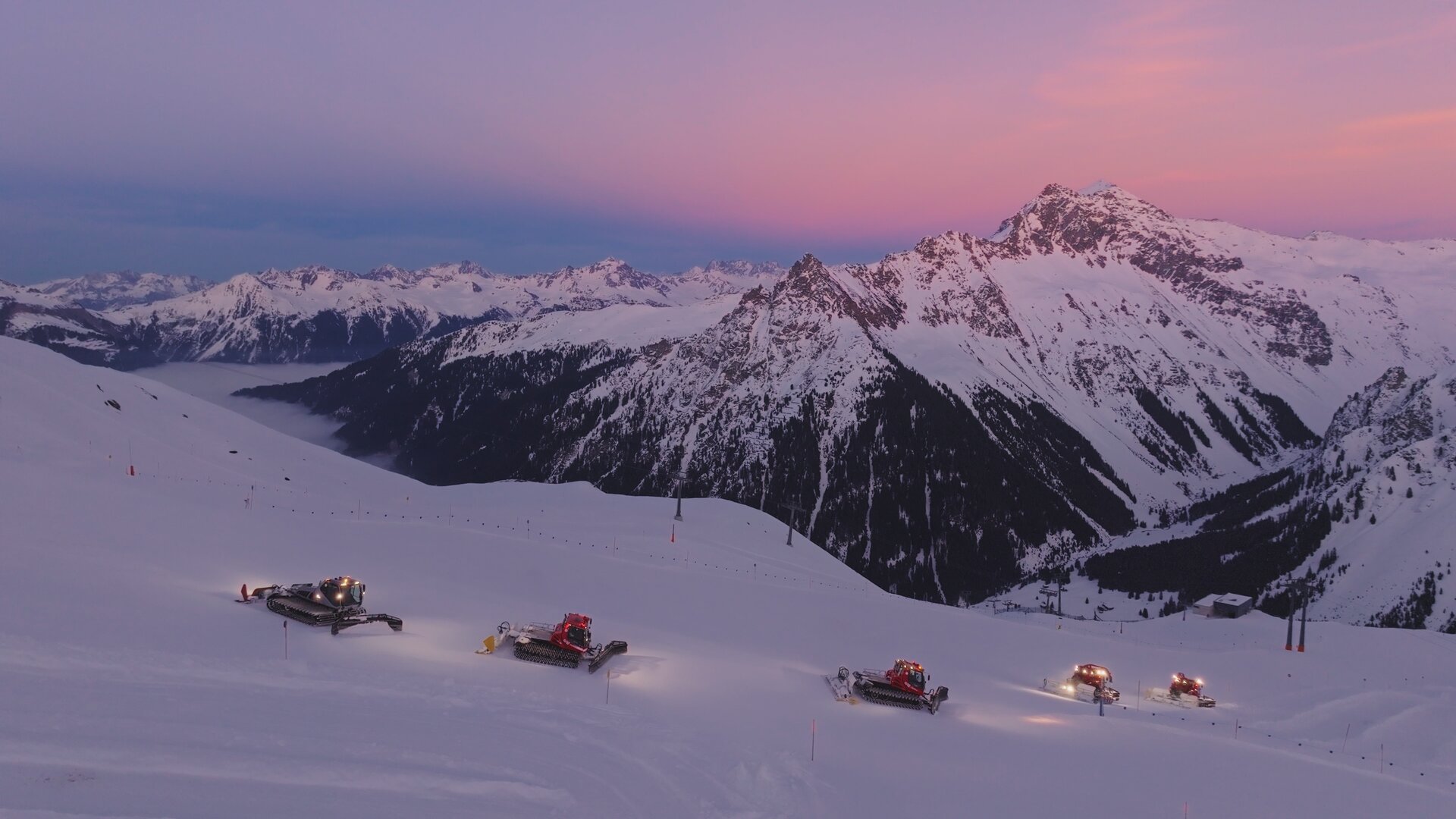
It might sound a bit funny, but snow production has really become a science in its own right. With all the technical capabilities—like snow groomers, snow depth measurement, and monitoring slope and snow quality—you can fine-tune everything down to the last detail. Ultimately, though, it’s all about making really good snow so skiers can have fun—not just in November, but all the way through the end of April. To achieve this, our team is out in the area around the clock, day and night. We monitor the wind, occasionally adjust the snow lances to change the drop height, and constantly check the snow quality. Technology is important, no question, but manual labor remains a crucial part of the process. And that requires dedicated employees who are truly passionate about their work and ensure that, in the end, there’s a great product on the slopes.
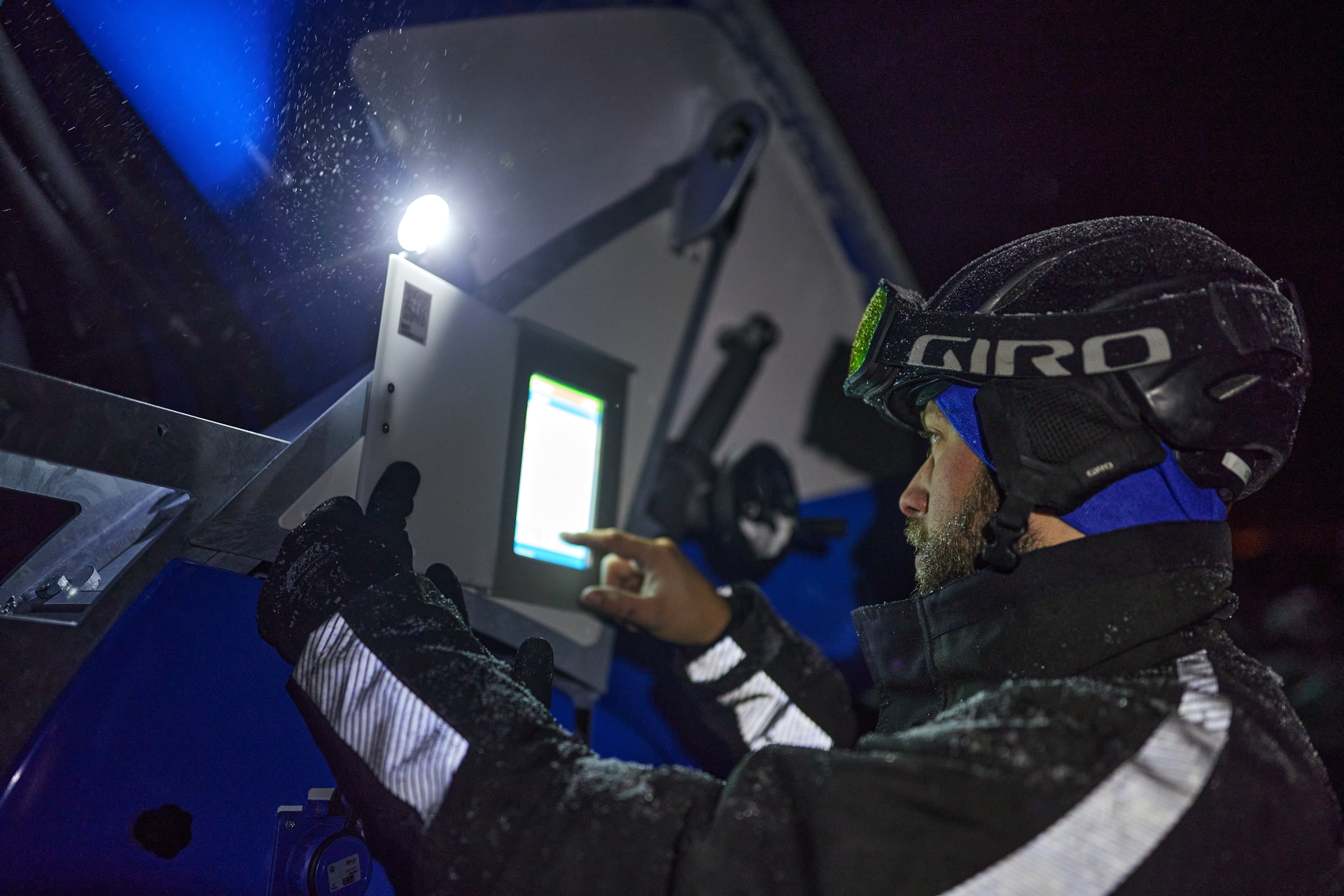
Many people think that snowmaking consumes huge amounts of electricity. What is the reality?
It’s no secret that we need electricity for snowmaking—that applies to every ski lift, every building, and indeed every snowmaking machine. But what we can actively do is work as efficiently as possible. It may sound paradoxical, but the more snowmaking machines we use, the shorter the snowmaking times are. This allows us to work simultaneously and complete the base layer much faster. “If we apply around 45 centimeters of snow on the Schafberg Plateau, that’s enough to serve as a base for the entire season. The rest is then provided by natural snow.”
Is there actually a way for visitors to learn about how the mountain railways operate?
For several years now, we’ve been offering a “behind-the-scenes tour” once a week during the winter. And I notice time and again that many guests have a completely different idea of how a ski resort works. When I explain that we’re actually a 24-hour operation, their eyes widen at first. And when we then walk through everything together—from the lifts to snowmaking and slope grooming to avalanche safety—and they see that someone is truly on duty day and night just so they can have a perfect skiing experience, it completely changes their perspective. Many leave with a complete 180-degree shift in perspective and only then understand how much work and dedication goes into running a ski resort at this level of quality every single day.

Did you know that...
- … in the Montafon we don’t refer to “artificial snow” but rather to technical snow? This consists—just like natural snow—of nothing but water and air?
- ... water is used for snowmaking but not consumed? The snow melts, flows 100% back into nature, and thus forms a closed cycle. Furthermore, in many ski resorts, the meltwater is collected via natural tributaries into storage ponds and is thus “recycled.”
- … ski resorts in the Montafon are generally permitted to make snow starting November 1 (subject to situational exceptions), provided that temperatures and humidity allow it?
- ... up to 100 percent of the electricity used for artificial snowmaking in the Montafon comes from renewable energy sources in the region ? Most of this is generated using hydropower.
- … only 0.07 percent of Austria’s total annual water resources are used for artificial snowmaking?
- … only 0.33 percent of Austria’s total electricity demand is attributable to snowmaking?
Source: Austrian National Tourist Office, WKO Vorarlberg

Our Mountain Railways
Forward-Looking Initiatives
The four mountain railways in the Montafon have been committed to responsible stewardship of nature for years. Their strategy for the future: state-of-the-art technology and environmentally friendly operations to preserve the mountain environment for the long term. Energy-efficient railways, water-saving snowmaking systems, and well-thought-out waste management concepts are central components of this approach.
Their goal is to create unforgettable mountain experiences while keeping their ecological footprint as small as possible. In doing so, they are breaking new ground and constantly evolving.
Verantwortungsvolle BergbahnenSnowmaking – What’s Behind It?
Your Montafon Podcast
Hardly any topic in winter sports is as hotly debated as artificial snowmaking. But how exactly does it work? In this episode of the Montafon Podcast, Jens and Alissa speak with Manuel Stross, operations manager at Bergbahnen Gargellen, and Michael Warscher from Schneeprophet about the ins and outs of snowmaking and the importance of weather forecasts. They dispel misconceptions, shed light on the facts, and highlight the innovative approaches the Montafon region is pursuing to ensure optimal slope conditions in an efficient and resource-conserving manner.


